
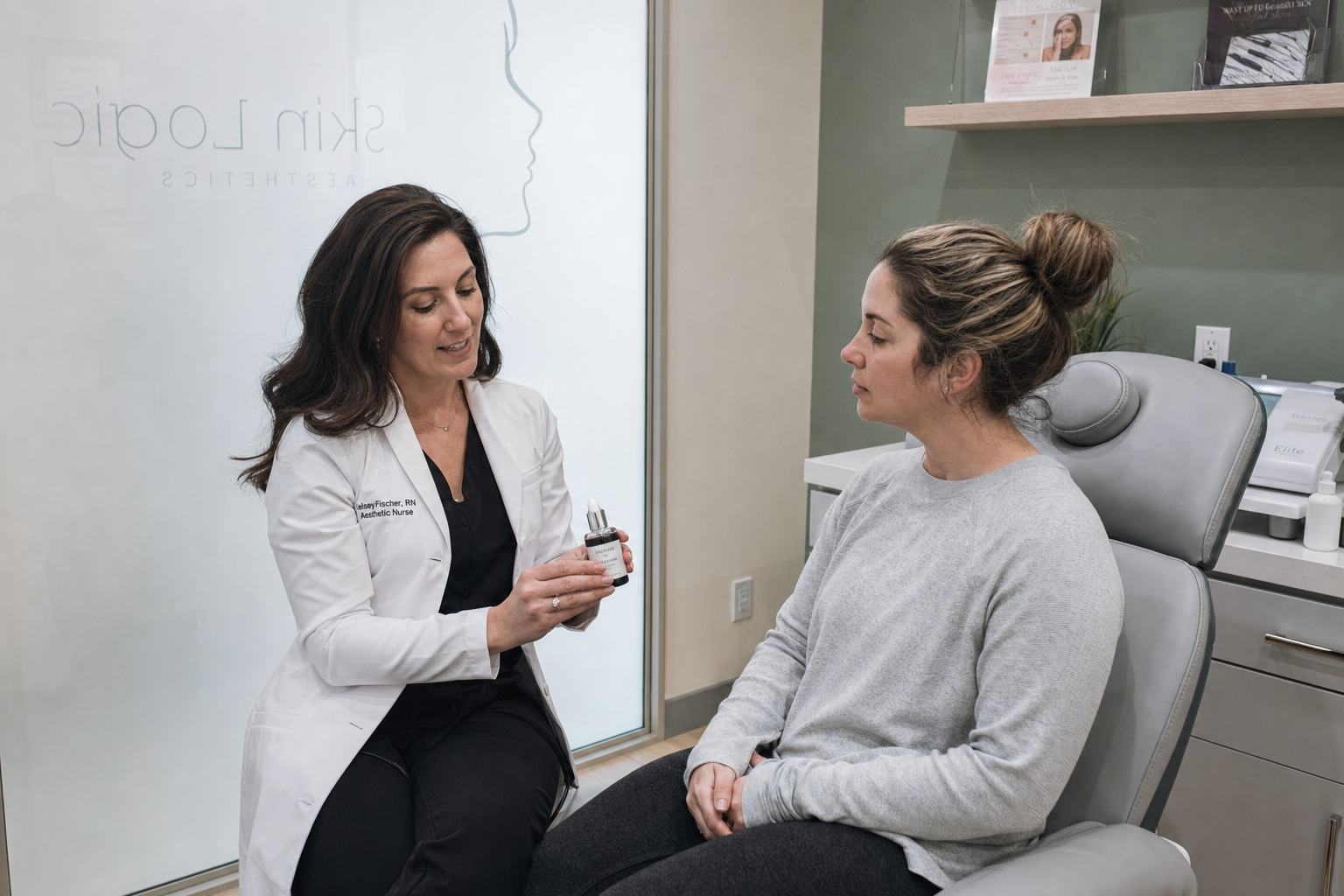
Peptides are one of the most hyped ingredients in skincare. Here's an honest, evidence-based look at what they actually do — and how to use them well.
Peptides appear on nearly every premium serum label, often promising firmer, smoother, younger-looking skin. But do topical peptides actually do anything once you apply them? The short answer is nuanced: some peptides have credible evidence behind them, but they are a supporting player in a good routine — not a miracle in a bottle.
Do topical peptides actually work?
Yes, certain topical peptides can support smoother texture, better hydration, and a modest improvement in the appearance of fine lines — but results are gradual and subtle compared with in-clinic treatments. Peptides are short chains of amino acids that act as messengers, signalling skin cells to behave in specific ways, such as producing more collagen or calming inflammation.
The key word is appearance. A well-formulated peptide can visibly improve how skin looks and feels over weeks to months, but it will not replicate the structural collagen changes achieved by professional treatments.
What do peptides actually do in the skin?
Peptides work as tiny communication signals. Different types have different jobs, and understanding the categories helps set realistic expectations.
Signal peptides
Signal peptides (such as Matrixyl / palmitoyl pentapeptides) encourage skin cells to produce more collagen and elastin. Over consistent use, this may help skin look firmer and slightly smoother.
Carrier peptides
Carrier peptides (like copper peptides) deliver trace minerals that support wound healing and antioxidant activity. These are often used to support skin repair and overall skin quality.
Neurotransmitter-inhibiting peptides
Sometimes marketed as "Botox in a jar," peptides like Argireline are designed to reduce the appearance of expression lines. The honest reality: topical peptides cannot penetrate to muscle or meaningfully relax it. For true softening of frown lines or forehead creases, neurotoxin injectables remain the evidence-based option.
Are topical peptides as good as injectables or lasers?
No. Topical peptides work at the skin's surface and upper layers, while treatments like injectables, biostimulators, and energy devices work at a deeper structural level. They are complementary, not interchangeable.
At KatiFACE, we think of skincare and in-clinic treatments as partners. A quality peptide serum supports your skin barrier and daily maintenance, while procedures like collagen-stimulating biostimulators or laser and microneedling resurfacing drive the deeper remodelling that topicals simply can't reach. Consistent home care helps your professional results last longer.
How long do peptides take to show results?
Most people should expect visible changes in skin texture and hydration within four to twelve weeks of consistent daily use. Peptides work cumulatively, so occasional use produces little benefit — daily application is what matters.
Because the changes are gradual and subtle, taking a before photo in consistent lighting can help you objectively track progress.
How should you use peptides in your routine?
Apply peptide serums to clean, slightly damp skin, typically before heavier creams and oils. Peptides pair well with hydrating and barrier-supporting ingredients like hyaluronic acid, niacinamide, and ceramides.
A few practical tips:
- Layer thin to thick. Peptide serums usually go on after cleansing and toning, before moisturizer.
- Be cautious combining copper peptides with strong acids or high-strength vitamin C in the same routine, as they may reduce each other's effectiveness — consider using them at different times of day.
- Always finish daytime routines with SPF. No peptide can compensate for sun damage.
Choosing a medical-grade formulation matters, because concentration, stability, and delivery vary enormously between products. Our team can recommend professional-grade peptide skincare suited to your skin type and goals.
Who benefits most from topical peptides?
Peptides suit almost every skin type and are especially useful for people focused on prevention, barrier support, and maintaining results between treatments. They are gentle enough for sensitive skin and can be a good entry point for those not yet ready for actives like retinoids.
That said, if your primary concerns are volume loss, deeper lines, or sagging, a personalized in-clinic plan will move the needle far more than any serum alone. If you're unsure where topical care ends and treatment begins, you're welcome to book a consultation at our Yorkville clinic to map out a realistic, full-face plan.
The bottom line
Topical peptides genuinely do something — they support hydration, texture, and a modest improvement in fine lines with consistent use. They are a smart, low-risk part of a thoughtful routine. Just keep expectations grounded: peptides maintain and support skin quality, while deeper concerns are best addressed with targeted professional treatments. Individual results vary, and the best approach is one tailored to your skin.
Frequently asked questions
Do peptides really build collagen?
Certain signal peptides can encourage skin cells to produce more collagen, which may improve firmness and texture over time. However, the effect is modest and gradual compared with in-clinic collagen-stimulating treatments.
Are peptides better than retinol?
They serve different purposes. Retinoids have robust evidence for cell turnover and anti-aging, while peptides are gentler and focus on signalling and barrier support. Many people use both, at different times of day, for complementary benefits.
Can peptides replace Botox?
No. Peptides marketed as needle-free alternatives cannot reach or relax facial muscles the way neurotoxin injectables do. For genuine softening of expression lines, injectables remain the evidence-based option.
How long until I see results from a peptide serum?
Most people notice improvements in hydration and texture within four to twelve weeks of daily use. Peptides work cumulatively, so consistency is essential.
Are peptides safe for sensitive skin?
Generally yes. Peptides are among the gentler active ingredients and are usually well tolerated. If you have reactive skin or specific concerns, a consultation can help you choose the right formulation.
Considering treatment? Kati offers thoughtful, personalized consultations in Yorkville.
Reserve Your Consultation