Medical-grade skincare costs more than drugstore products — but the difference isn't just marketing. Here's what actually sets it apart, and when the price is justified.
Walk down any drugstore aisle and you'll find serums promising the same results as products sold in medical clinics — often at a fraction of the price. So is medical-grade skincare genuinely worth the investment, or are you paying for packaging and prestige? As a nurse-led clinic in Yorkville, we field this question almost daily. Here's an honest, evidence-informed answer.
What is medical-grade skincare?
Medical-grade skincare (also called cosmeceutical or professional skincare) refers to products with higher concentrations of clinically studied active ingredients, formulated to penetrate more deeply into the skin. These products are typically sold through licensed clinics and prescribed or recommended by a healthcare professional.
The term "medical-grade" isn't a strict regulatory category in Canada, so it's worth understanding what actually distinguishes these formulations rather than relying on the label alone.
How is medical-grade skincare different from drugstore products?
The main differences are active-ingredient concentration, formulation quality, and how deeply the product penetrates the skin. Medical-grade lines generally deliver more potent, more stable actives designed to reach the living layers of the skin rather than sitting on the surface.
Higher concentrations of active ingredients
Drugstore products are formulated for mass use and a wide margin of safety, so active ingredients are often present at low concentrations. Medical-grade formulations use higher, clinically meaningful percentages of ingredients like retinoids, vitamin C, growth factors and peptides.
Better penetration and stability
Many active ingredients — vitamin C is a classic example — are notoriously unstable and degrade with light and air exposure. Medical-grade lines invest in delivery systems and packaging that keep actives stable and help them reach deeper skin layers where they can actually do their work.
Ingredient purity and formulation
Professional lines tend to use purer, better-researched raw materials with fewer fillers. The goal is a therapeutic effect, not just a pleasant sensory experience.
Does the price difference mean better results?
Often, but not always. A well-formulated medical-grade product with the right active at the right concentration can produce visible changes drugstore products simply can't match — but only if it suits your skin and you use it consistently. Price alone is not a guarantee of results.
A thoughtfully chosen, professionally guided routine using medical-grade products matched to your specific concerns will almost always outperform a random assortment of high-street purchases. The value comes from the fit, not just the price tag.
When is drugstore skincare perfectly fine?
For certain product categories, drugstore options are excellent value. Gentle cleansers, basic hydrating moisturizers and — critically — broad-spectrum sunscreen can all be found in reliable, affordable formulations. Daily SPF is the single most important anti-aging step, and a drugstore sunscreen you'll actually wear beats an expensive one you skip.
Where drugstore products tend to fall short is in "corrective" categories: prescription-strength retinoids, high-percentage antioxidants, pigment correctors and growth-factor serums. This is where professional guidance and formulation quality matter most.
Which skin concerns benefit most from medical-grade skincare?
Medical-grade skincare offers the clearest advantage for active correction — pigmentation, fine lines, texture, acne and early signs of aging — where ingredient potency directly affects results.
If your concerns include stubborn pigmentation, uneven texture or enlarged pores, skincare works best as part of a broader plan. In-clinic treatments such as lasers and resurfacing devices can address changes topical products can't reach, while your at-home routine maintains and extends those results.
How do I build a routine that's actually worth the money?
Start with the essentials done well: a gentle cleanser, a proven active (usually a retinoid and/or antioxidant), a moisturizer and daily SPF. Then add targeted products only for your specific concerns. Spending strategically on two or three high-impact medical-grade products beats owning a dozen mediocre ones.
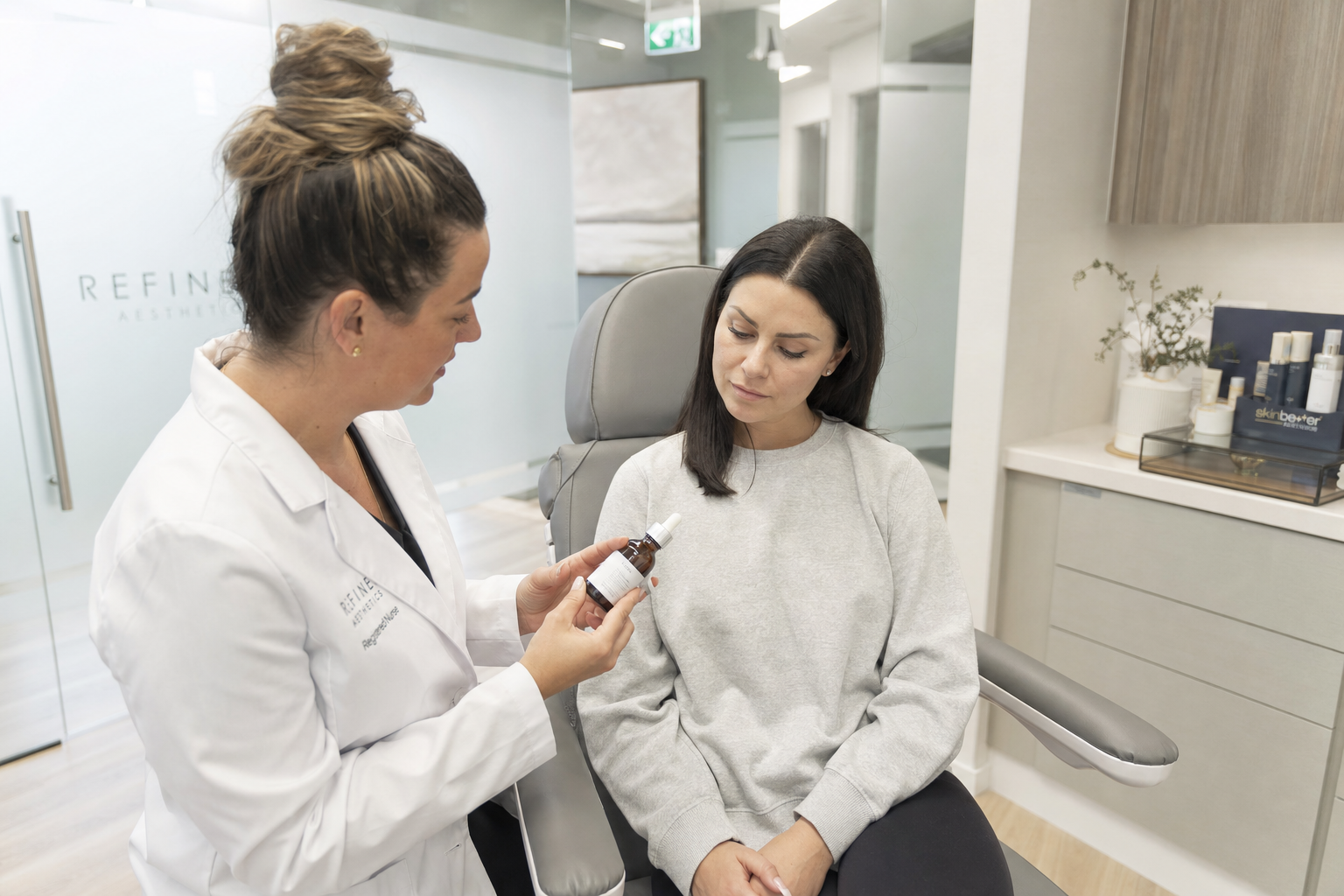
Because active ingredients like retinoids and acids require correct introduction and pairing, a short consultation can save you money — and prevent irritation. At KatiFACE, we build routines around your skin, your budget and your tolerance rather than a one-size-fits-all shelf. You can book a consultation to have your current products reviewed and gaps identified.
The KatiFACE take
Medical-grade skincare is worth the price when the products are chosen for you and used consistently — and less worth it when bought impulsively or without guidance. Aging deserves to be supported thoughtfully, not chased with product after product. A small, intentional routine, professionally matched, is almost always the better investment.
This article is for general education and reviewed by Kati Head, RN. It is not a substitute for individualized medical advice. Skincare ingredients affect everyone differently, and individual results vary. Please consult a qualified professional before starting new active ingredients, especially if you are pregnant, breastfeeding or have a skin condition.
Frequently asked questions
Is medical-grade skincare really better than drugstore?
For corrective concerns like pigmentation, fine lines and texture, medical-grade products generally deliver better results because of higher active concentrations, better stability and deeper penetration. For basics like cleansers and sunscreen, quality drugstore options can be perfectly good.
Is expensive skincare always more effective?
No. Price alone doesn't guarantee results. Effectiveness depends on the right active ingredient at a meaningful concentration, in a stable formulation, matched to your skin and used consistently. A well-chosen affordable product can outperform a poorly matched luxury one.
Can I use both drugstore and medical-grade products together?
Yes, and many people do. A common smart approach is drugstore basics (cleanser, moisturizer, SPF) paired with a couple of medical-grade corrective actives like a retinoid or antioxidant serum. A professional can help you combine them safely.
What's the single most worthwhile skincare product to invest in?
Daily broad-spectrum sunscreen is the highest-value step for preventing aging and pigmentation. After that, a well-formulated retinoid and antioxidant are usually the most impactful additions.
How do I know which medical-grade products are right for me?
A skin assessment with a qualified professional is the best way. They can evaluate your concerns, skin type and tolerance, then recommend a focused routine so you're not overspending on products that don't suit your skin.
Considering treatment? Kati offers thoughtful, personalized consultations in Yorkville.
Reserve Your Consultation