Sclerotherapy remains the gold-standard treatment for leg spider veins. Here's an honest look at how it works, what results to expect, and whether it's worth it.
Spider veins are one of the most common cosmetic concerns we see, and the questions are almost always the same: does treatment actually work, is it uncomfortable, and is it worth it? Below is a calm, honest look at sclerotherapy — the long-standing gold-standard treatment for spider veins — so you can decide what's right for you.
What is sclerotherapy?
Sclerotherapy is a medical treatment that injects a solution directly into a spider or small varicose vein, causing it to collapse, close off, and gradually fade from view. It has been used for decades and remains the benchmark treatment for small leg veins.
Because the treated vein is a superficial, non-essential vessel, your body simply reroutes blood flow to healthier veins. Over the following weeks, the closed vein is reabsorbed and becomes less visible.
Does sclerotherapy actually work?
Yes — sclerotherapy is highly effective for most spider veins and small reticular veins, with many people seeing significant fading of treated veins over several weeks. Results are gradual rather than instant, and individual outcomes vary.
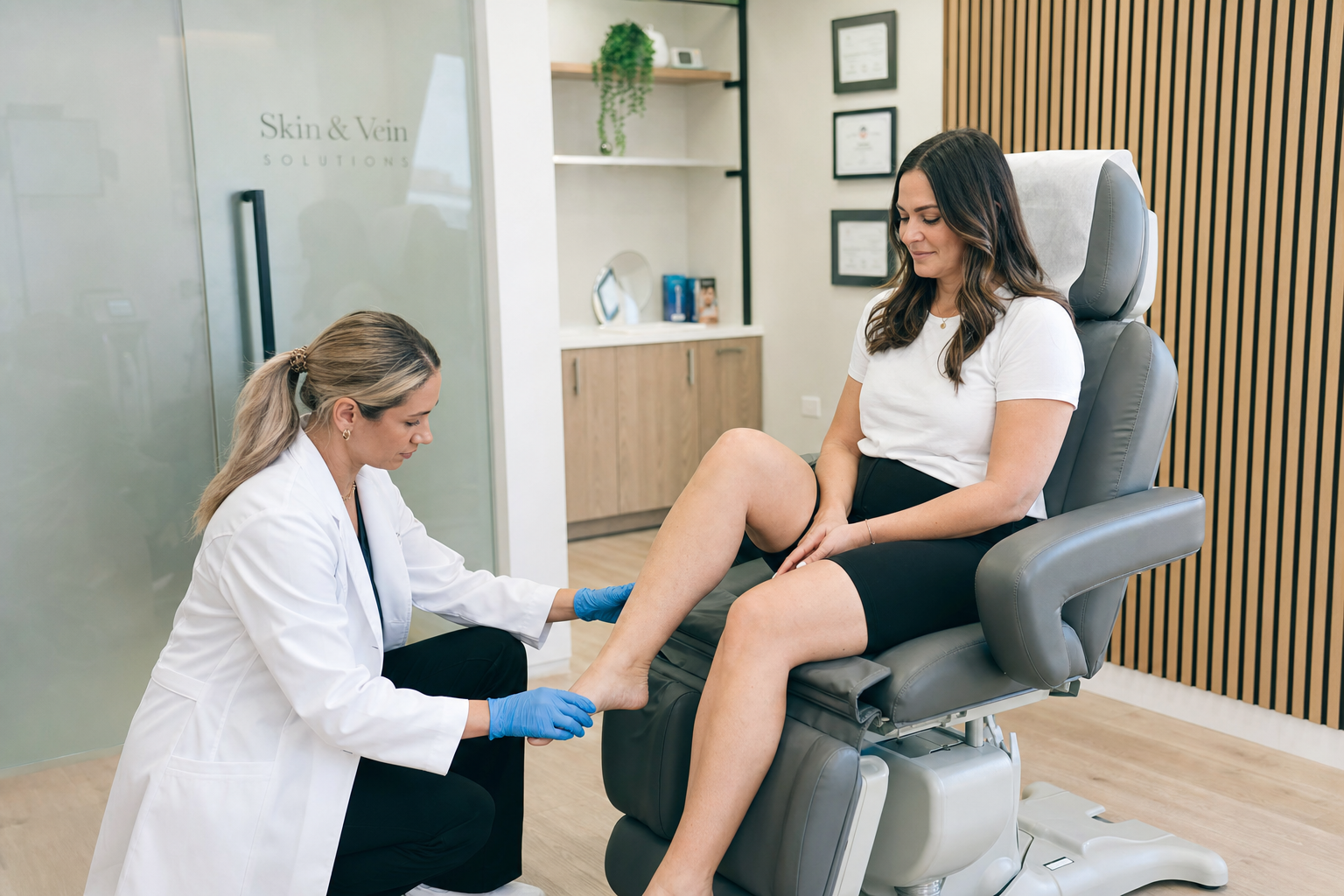
Most people need more than one session to fully clear an area, since veins vary in size and depth. It's also worth understanding that sclerotherapy treats the veins you have now — it does not prevent new veins from forming over time, particularly if you're genetically predisposed. Our sclerotherapy and vein treatments are always planned around your specific pattern of veins after an in-person assessment.
Is sclerotherapy worth it?
For visible leg spider veins, sclerotherapy is generally considered worth it because it directly targets and closes the veins with a strong track record and minimal downtime. The main trade-offs are that you may need multiple sessions and results take weeks to appear.
Whether it's "worth it" for you comes down to how much the veins bother you, your expectations, and your budget. It is a genuinely effective, well-established option — not a quick gimmick — but it is best approached with realistic expectations and a proper consultation.
What happens during a sclerotherapy appointment?
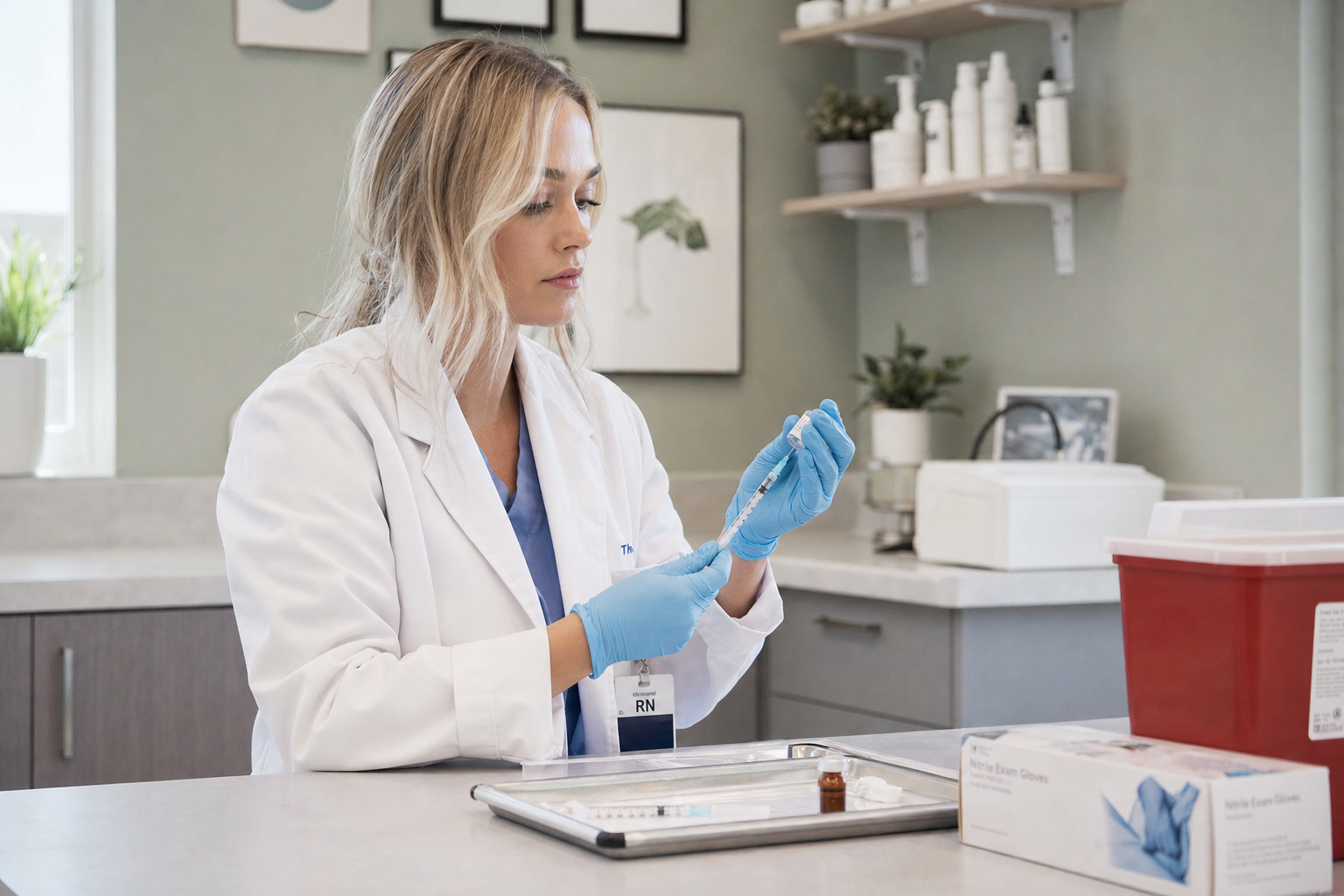
A very fine needle is used to inject a small amount of solution into each targeted vein. Sessions typically take 15 to 45 minutes depending on how many veins are treated, and no anaesthetic is usually required.
Most people describe the sensation as a minor pinch or mild stinging that passes quickly. Afterward, you'll usually be asked to wear compression stockings for a period of time to support healing and improve results.
How many sessions will I need?
Most people need two to four sessions spaced several weeks apart, though this varies with the number, size and stubbornness of your veins. Your provider will give you a more accurate estimate after assessing your legs in person.
What is the recovery and downtime like?
Sclerotherapy has minimal downtime — most people return to normal activities the same day, aside from wearing compression and avoiding strenuous exercise for a short period. Walking is actually encouraged to keep blood flowing.
Common, temporary side effects include bruising, mild swelling, tenderness, and sometimes a brownish discolouration along the treated vein that typically fades over weeks to months. Serious complications are uncommon when treatment is performed by a trained medical professional.
How much does sclerotherapy cost in Toronto?
Cost depends on the number of veins, sessions required, and the clinic, so pricing is best confirmed during a consultation. Because most people need a series of sessions, it's helpful to think of it as a small course of treatment rather than a one-time fee.
At KatiFACE, treatment plans and pricing are always personalized. The best next step is to book a consultation so we can assess your veins and give you clear, tailored guidance.
Who is a good candidate for sclerotherapy?
Good candidates are generally healthy adults with visible spider or small varicose leg veins who are not pregnant or breastfeeding. A medical history review is important, as certain conditions and medications can affect suitability.
If your veins are large, bulging, or accompanied by aching, heaviness or swelling, you may have underlying venous insufficiency that needs a vascular assessment first. This is exactly why an in-person consultation with an experienced provider matters — sclerotherapy is a medical treatment, not a spa service.
The KatiFACE perspective
Our philosophy is thoughtful, personalized care — treating what genuinely bothers you, with honest expectations and no overselling. Sclerotherapy sits within our broader body treatments, and we're happy to tell you honestly whether it's the right fit for your veins and goals.
As with any medical aesthetic treatment, results vary from person to person, and this article is general information rather than medical advice. A consultation with a qualified professional is the only way to know what's appropriate for you.
Frequently asked questions
Is sclerotherapy permanent?
The specific veins treated with sclerotherapy are permanently closed and typically do not return. However, the treatment does not prevent new spider veins from forming over time, so some people choose periodic touch-up sessions.
Does sclerotherapy hurt?
Most people find sclerotherapy quite tolerable, describing it as a small pinch or brief stinging as the solution is injected. Anaesthetic is usually not needed, and any discomfort passes quickly.
How long until I see results from sclerotherapy?
Results are gradual. Smaller veins may fade within a few weeks, while larger veins can take a couple of months. Multiple sessions are often needed for full clearing of an area.
Can I get sclerotherapy on facial veins?
Sclerotherapy is primarily used for leg veins. Facial spider veins are often better treated with laser or light-based devices, which your provider can discuss during a consultation.
What should I avoid after sclerotherapy?
Typically you'll avoid strenuous exercise, hot baths, saunas and prolonged sun exposure for a short period, and wear compression stockings as directed. Gentle walking is encouraged to support circulation.
Considering treatment? Kati offers thoughtful, personalized consultations in Yorkville.
Reserve Your Consultation