

Dermal filler adds instant volume, while biostimulators like Sculptra prompt your skin to rebuild its own collagen over months. Here's how they differ and how to choose.
When people research facial volume loss, two very different approaches often come up in the same breath: dermal filler and biostimulators like Sculptra. They can look similar on a treatment menu, but they work in fundamentally different ways — one adds volume directly, the other coaxes your own skin to rebuild it. Understanding that difference is the key to choosing what's right for your face and your timeline.
What is the difference between Sculptra and dermal filler?
Dermal filler adds volume instantly by placing a gel beneath the skin, while Sculptra is a collagen biostimulator that gradually prompts your body to produce its own new collagen over several months. Filler is an immediate replacement; biostimulators are a slow rebuild.
Most dermal fillers used in Canada are made of hyaluronic acid (HA), a naturally occurring sugar that binds water and creates smooth, immediate volume. Sculptra is made of poly-L-lactic acid (PLLA), a biocompatible material that, once injected, is gradually broken down while stimulating fibroblasts to lay down fresh collagen. The visible result comes not from the product itself, but from the collagen your body makes in response.
How do collagen biostimulators work over time?
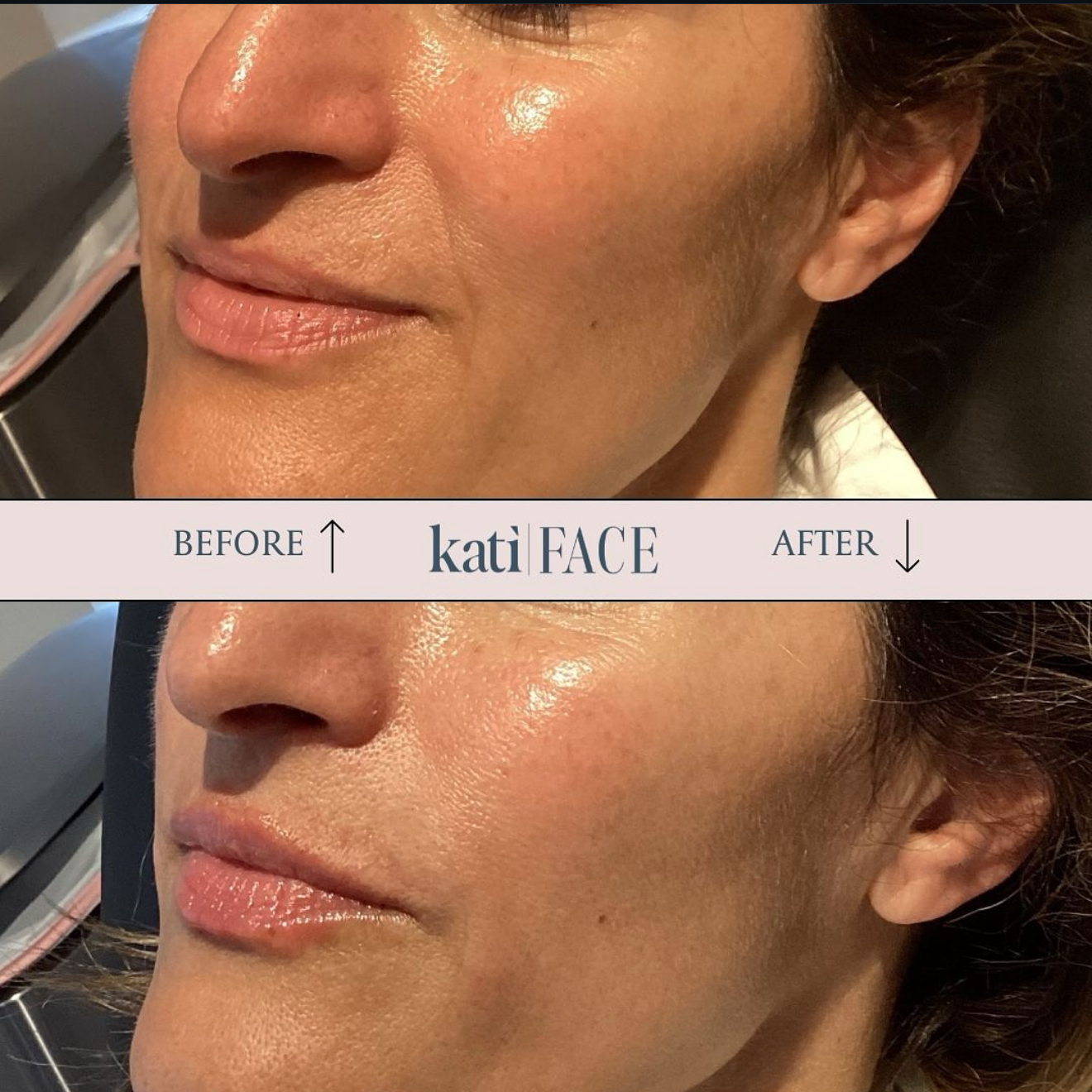
Biostimulators work gradually, with results typically appearing over 6 to 12 weeks and continuing to develop across a series of sessions. Rather than filling a specific line, they improve overall skin quality, thickness, and firmness across a broad area.
After a Sculptra treatment, the PLLA microparticles create a controlled, low-grade healing response in the deeper skin. Your fibroblasts respond by producing new type I collagen — the structural protein that gives skin its scaffolding and youthful support. This is why biostimulator results look subtle and cumulative: you're not adding a gel, you're rebuilding architecture. Full-face collagen support is a natural fit for a thoughtful, gradual approach to aging, and you can learn more about our biostimulator treatments and whether they suit your goals.
When is filler a better choice than a biostimulator?
Filler is usually the better choice when you want immediate, precise correction of a specific area — lips, tear troughs, nasolabial folds, or a defined jawline. Its results are visible the same day and are reversible if adjusted.
HA fillers offer more control over shape and projection in delicate, detailed zones. They can also be dissolved with an enzyme if needed, which makes them a reassuring starting point for people new to injectables. If your concern is a defined feature or a single fold rather than overall volume loss, injectable filler is often the more appropriate tool. During a consultation, we assess your anatomy and goals to recommend one, the other, or a combination.
How long do Sculptra results last compared to filler?
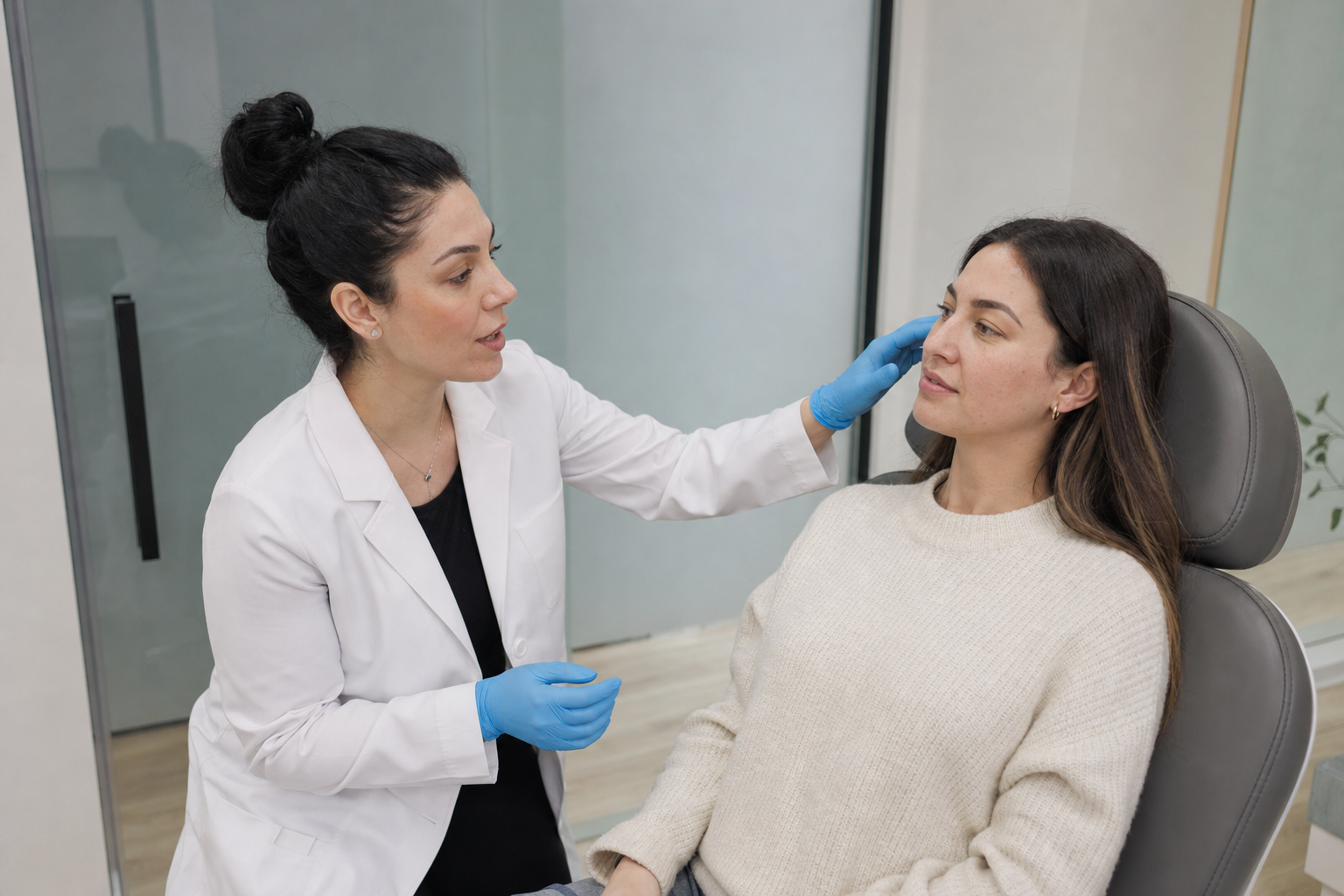
Sculptra results can last up to two years or more because the new collagen is your own tissue, whereas most HA fillers last roughly 6 to 18 months depending on the product and area treated. Biostimulators trade instant gratification for longevity.
Because biostimulator results build gradually and last longer, they're often more cost-effective over time for widespread volume loss. Filler, by contrast, gives you a same-day result you can see and adjust. Neither is universally "better" — they solve different problems, and many treatment plans use both.
Can you combine Sculptra and filler?
Yes. Combining biostimulators and filler is common and often ideal — using Sculptra to restore foundational volume and collagen across the face, while filler refines specific features that need precise definition.
This layered approach reflects the full-face philosophy we practise at KatiFACE: supporting the structure of the face rather than chasing individual lines. Because both are injectable treatments requiring skilled assessment, sequencing and dosing matter. A personalized plan ensures the two work together rather than competing. Individual results vary, and a professional consultation is essential before any treatment.
Who is a good candidate for biostimulators?
Good candidates are typically people noticing generalized facial volume loss, thinning skin, or mild sagging who prefer a gradual, natural-looking result. Because biostimulators rely on your body's collagen response, healthy candidates without certain autoimmune or healing conditions tend to respond best.
Biostimulators are less suited to people who want an immediate change or who are treating a single, well-defined feature. As with any medical aesthetic treatment, suitability is determined during an in-person assessment. If you're weighing your options, you can book a consultation with Kati to discuss which approach fits your face and goals.
The bottom line
Sculptra and filler aren't rivals — they're different instruments for different jobs. Filler replaces volume instantly and precisely; biostimulators rebuild your own collagen gradually and durably. The right choice depends on your anatomy, your concerns, and how you'd like to age — thoughtfully and on your own timeline. A tailored consultation is always the starting point.
Frequently asked questions
Is Sculptra a filler?
Not in the traditional sense. Sculptra is a collagen biostimulator made of poly-L-lactic acid. Instead of adding gel volume directly like a hyaluronic acid filler, it prompts your body to gradually produce its own new collagen over several months.
How soon will I see results from a biostimulator?
Results typically develop gradually over 6 to 12 weeks and continue improving across a series of sessions, as your body builds new collagen. This is different from filler, which shows volume the same day. Individual results vary.
Is Sculptra reversible like filler?
No. Hyaluronic acid fillers can be dissolved with an enzyme, but Sculptra results come from your own collagen and are not reversible. This is why careful, conservative dosing and expert assessment are important.
Can I have both Sculptra and filler?
Yes, and combining them is common. Biostimulators can restore foundational volume and collagen across the face while filler refines specific features. A personalized plan determines the right sequencing and dosing for you.
How long do biostimulator results last?
Sculptra results can last up to two years or more because the improvement comes from your own collagen, compared with roughly 6 to 18 months for most HA fillers. Longevity varies by individual and area treated.
Considering treatment? Kati offers thoughtful, personalized consultations in Yorkville.
Reserve Your Consultation