
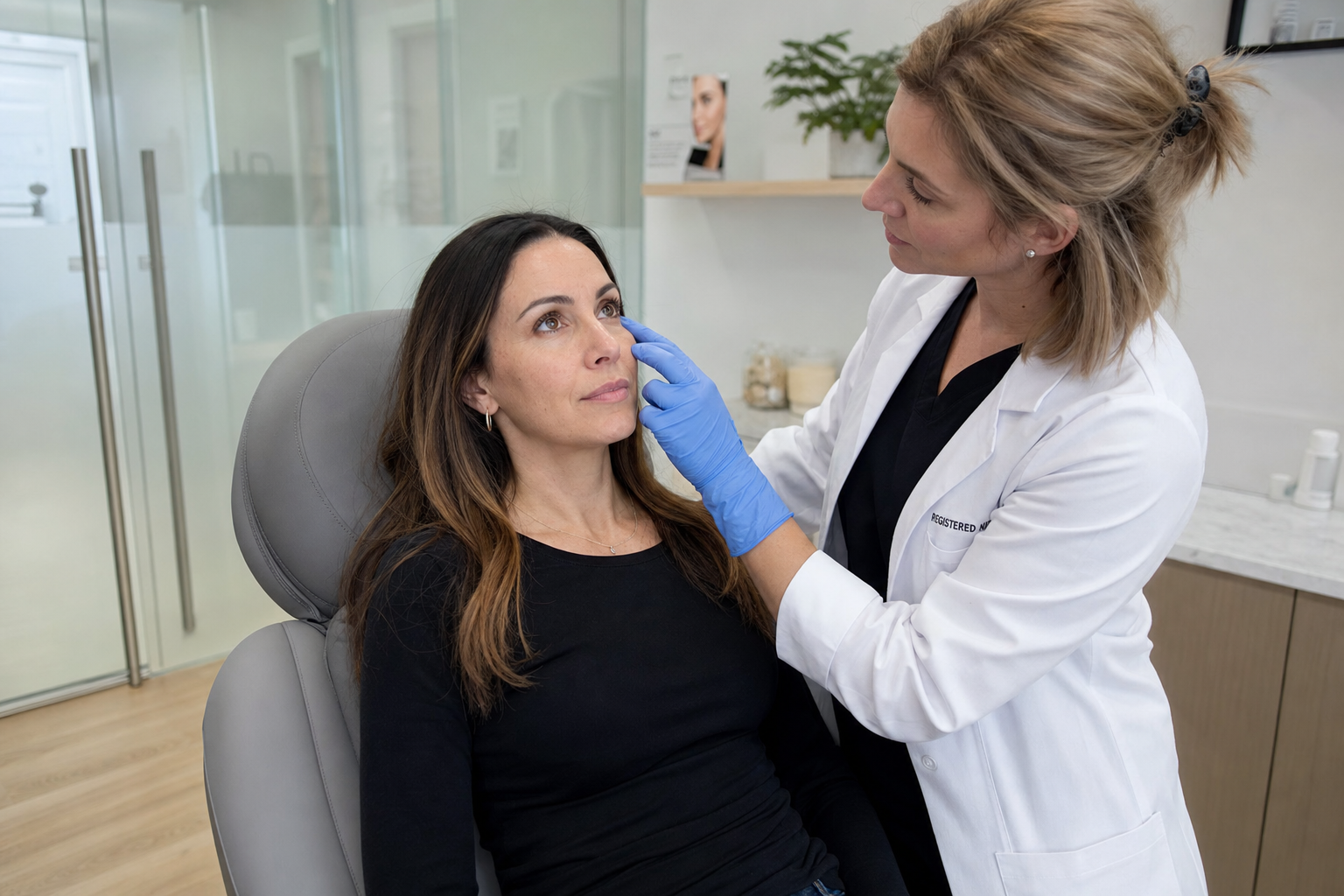
Tear trough filler can soften under-eye hollows and shadows — but it's one of the most technique-sensitive treatments in aesthetics. Here's who's a good candidate, what to expect, and when another approach may serve you better.
Under-eye hollows can make a well-rested person look tired or older than they feel. Tear trough filler is one option for softening these shadows — but it's also one of the most technique-sensitive areas in all of aesthetic medicine. This guide explains how it works, who is genuinely a good candidate, and when a different approach may be the wiser choice.
What is tear trough filler?
Tear trough filler is a small amount of hyaluronic acid (HA) gel placed in the hollow between the lower eyelid and the cheek to reduce shadowing and the appearance of under-eye hollows. The goal is subtle support, not volume.
The tear trough is the groove running from the inner corner of the eye toward the cheek. As we age, the fat pads of the midface descend and the bone slightly recedes, which deepens this groove and casts a shadow that reads as a "dark circle." A thoughtfully chosen hyaluronic acid filler can soften that transition so light falls more evenly across the lower face.
What causes under-eye hollows and dark circles?
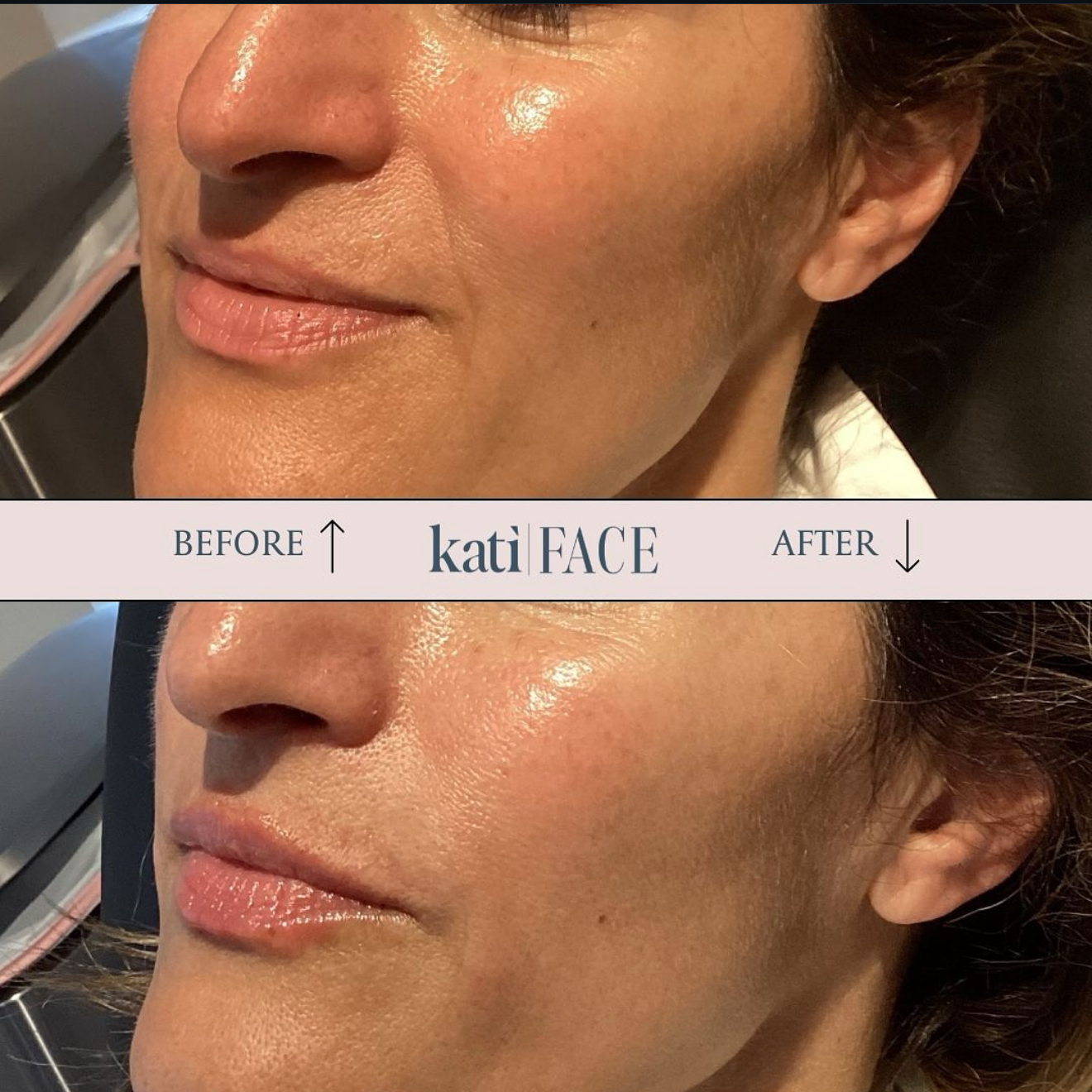
Under-eye darkness has several distinct causes, and filler only addresses one of them. Identifying the true cause is the most important step before any treatment.
- Structural hollowing (true tear trough): A genuine groove that creates a shadow. This is what filler can help.
- Pigmentation: Brown discoloration from genetics or sun exposure — filler does nothing for this.
- Vascular darkness: Bluish tones from thin skin showing underlying vessels.
- Fat pad prolapse ("eye bags"): Bulging fat that may be better addressed surgically.
- Volume loss in the cheek: Sometimes the cheek, not the under-eye itself, is the real problem.
Because the cause dictates the solution, a careful in-person assessment matters more here than almost anywhere else on the face.
Who is a good candidate for tear trough filler?
The best candidates have true structural hollowing, good skin quality, minimal under-eye puffiness, and realistic expectations. Filler is least suitable for people with significant eye bags, very thin or crepey skin, or pigment-driven dark circles.
Ideal candidate signs:
- A defined hollow that improves when you gently lift the cheek skin
- Healthy, reasonably firm under-eye skin without excess laxity
- Darkness that is mostly shadow, not pigment
- An understanding that results are subtle and individual
Less suitable signs:
- Pronounced fat pad bulging ("festoons" or eye bags)
- A history of significant under-eye swelling or fluid retention
- Very thin skin where filler may show as a bluish tint (the Tyndall effect)
During a consultation, the right answer is sometimes that filler isn't the best tool for your particular under-eye — and a good injector will tell you that.
What are the alternatives to tear trough filler?

Depending on the cause of your under-eye concern, alternatives may include cheek support, skin treatments, medical-grade skincare, or surgery. Sometimes a combination works better than filler alone.
- Cheek volume support: Replacing midface volume — sometimes with a biostimulator like Sculptra — can lift the whole region so the tear trough appears less hollow, often without touching the under-eye directly.
- Skin-quality treatments: For pigment, texture, or thin crepey skin, lasers and energy-based devices can improve tone and thickness over time.
- Targeted skincare: A consistent routine with antioxidants, retinoids, and daily SPF — using medical-grade products — supports skin quality around the eyes.
- Surgery: True fat prolapse is often best managed by an oculoplastic surgeon, not filler.
How long does tear trough filler last?
Tear trough filler typically lasts somewhere between 9 and 18 months, though under-eye filler can metabolize more slowly than in some other areas. Results and longevity vary by individual.
Because the under-eye region moves little, filler here can be quite durable. This is a benefit when results are excellent — and a reason to choose your injector carefully, because corrections are harder when results aren't ideal.
Is tear trough filler safe?
When performed by an experienced, medically trained injector using a conservative technique, tear trough filler has a strong safety record — but it carries area-specific risks that make injector expertise essential. This is not a treatment to bargain-shop.
Common, temporary effects include swelling, bruising, and mild tenderness. More specific considerations include puffiness from the gel attracting water, visible product if placed too superficially, and — rarely — vascular complications that require an injector who knows how to recognize and manage them. HA fillers can be dissolved if needed, which is one reason they're preferred in this delicate area.
At KatiFACE, tear troughs are assessed as part of a full-face approach rather than treated in isolation, and conservative dosing is the rule. You can book a consultation to find out whether this is the right option for your under-eyes.
What should you expect after treatment?
Expect mild swelling and possible bruising for several days to a couple of weeks, with the final result settling over two to four weeks. Many people prefer a touch-up review rather than chasing full correction in a single visit.
A staged, less-is-more philosophy tends to produce the most natural under-eye results — adding small amounts over time rather than overfilling and risking puffiness.
FAQ
Frequently asked questions
Does tear trough filler get rid of dark circles?
Only if your dark circles are caused by structural shadowing. Filler softens the hollow that casts a shadow, but it does not treat pigmentation or vascular (bluish) darkness, which need different approaches such as skincare or laser treatments.
How much does tear trough filler cost in Toronto?
Pricing depends on the product used and how much is needed, and tear troughs are typically treated conservatively. The best way to get an accurate quote is an in-person assessment, since the under-eye is sometimes better supported by treating the cheek instead.
Why do some people get puffy after under-eye filler?
Hyaluronic acid attracts water, and the under-eye is prone to fluid retention. Overfilling or superficial placement can cause persistent puffiness. Conservative dosing and proper technique reduce this risk, and HA filler can be dissolved if needed.
Can I have tear trough filler if I have eye bags?
Pronounced eye bags from prolapsed fat are often not ideal for filler and may be better addressed surgically. A consultation can determine whether your concern is true hollowing, fat bulging, or a combination.
Is tear trough filler permanent?
No. Hyaluronic acid fillers are temporary, typically lasting 9 to 18 months, and can be dissolved if results aren't ideal. Longevity varies between individuals.
Considering treatment? Kati offers thoughtful, personalized consultations in Yorkville.
Reserve Your Consultation