Scars and stretch marks can be softened and improved, but rarely erased. Here's an honest, nurse-led look at the treatments that genuinely help and what results to expect.
Scars and stretch marks are two of the most common reasons people come to see us — and two of the most misunderstood. The honest truth is that neither can usually be erased, but both can often be meaningfully improved. Understanding the difference between those two words is the first step to being happy with your results.
This guide, reviewed by Kati Head, RN, walks through what scars and stretch marks actually are, which treatments have the best evidence, and how to set realistic expectations before you spend time or money.
What is the difference between a scar and a stretch mark?
A scar is your body's repair tissue after the skin has been cut, burned, or inflamed, while a stretch mark (striae) is a form of scarring in the deeper dermis caused by rapid skin stretching. Both involve disrupted collagen and elastin, which is why they respond to similar treatments.
Scars form after acne, surgery, injury, or infection. Stretch marks appear during growth spurts, pregnancy, rapid weight change, or muscle gain — commonly on the abdomen, thighs, breasts, and hips. Fresh stretch marks (striae rubrae) are pink, red, or purple. Older ones (striae albae) fade to silvery white and are harder to treat.
Can scars and stretch marks be completely removed?
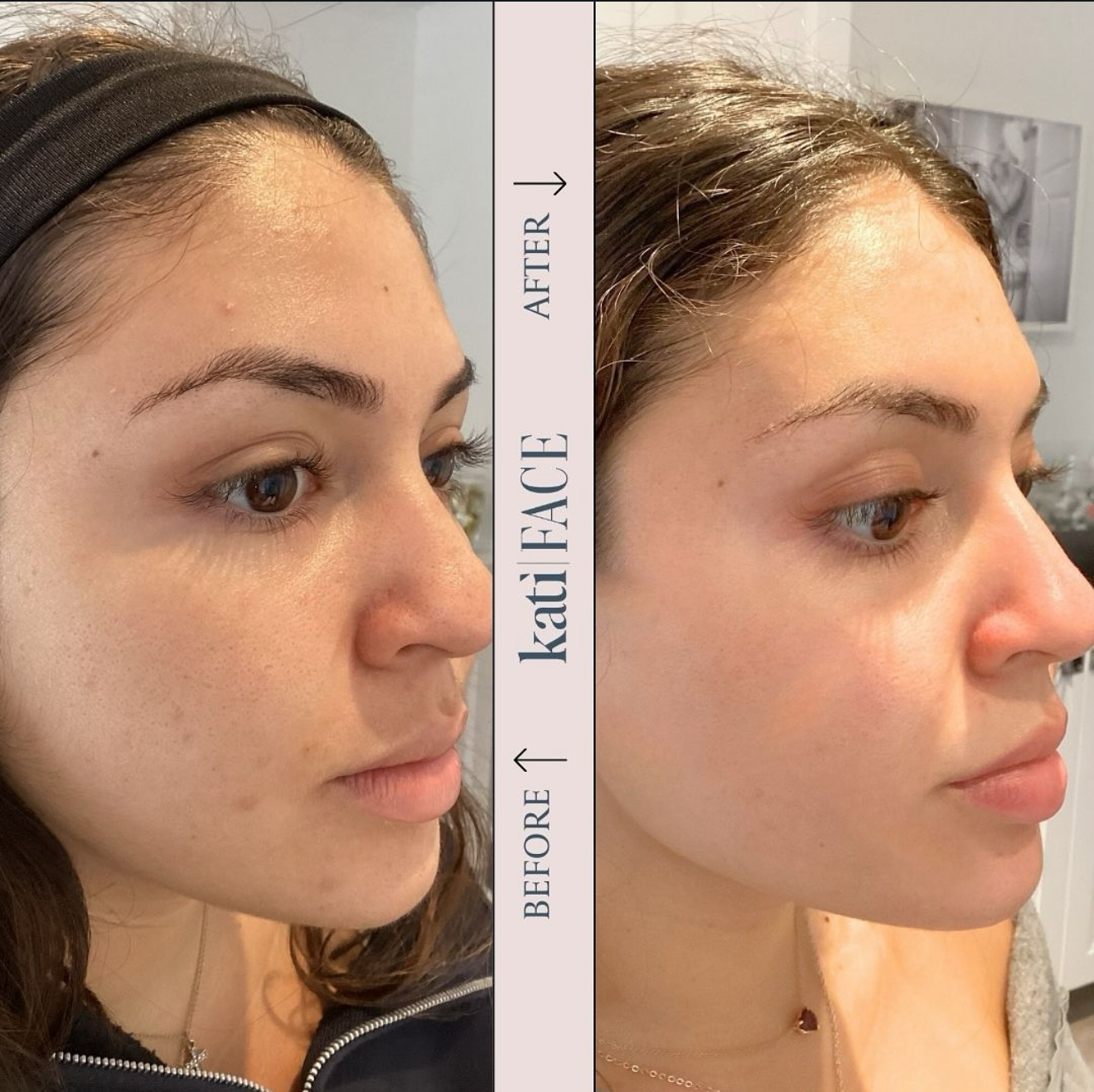
No — in the vast majority of cases they can be softened, flattened, blended, and made less noticeable, but not fully erased. Anyone promising complete removal is overpromising.
What is realistic is a noticeable improvement in colour, texture, and depth over a series of treatments. Individual results vary based on skin type, the age and type of the mark, and how your skin heals. During a consultation we're always honest about what a given treatment can and can't do for your specific concern.
Which treatments work best for scars?
The most effective options stimulate collagen remodelling and resurface the skin, so the choice depends on whether the scar is raised, depressed, discoloured, or textured.
Acne scars and textural scarring
Rolling and boxcar acne scars respond well to collagen-stimulating, resurfacing approaches. Microneedling and radiofrequency microneedling and laser resurfacing create controlled micro-injury that prompts the skin to rebuild smoother collagen over a series of sessions. These are often the backbone of an acne-scar plan.
Raised, red, or fresh scars
Surgical and injury scars that are pink and slightly raised often benefit from device-based resurfacing plus supportive at-home care. Newer, active scars generally respond better than very old, mature ones.
Depressed or bound-down scars
Some depressed scars are tethered to the tissue underneath. In select cases, dermal fillers or subcision-style approaches can help lift the scar to be level with surrounding skin — a strategy that overlaps with our injectable treatments. This is assessed case by case.
Which treatments work best for stretch marks?
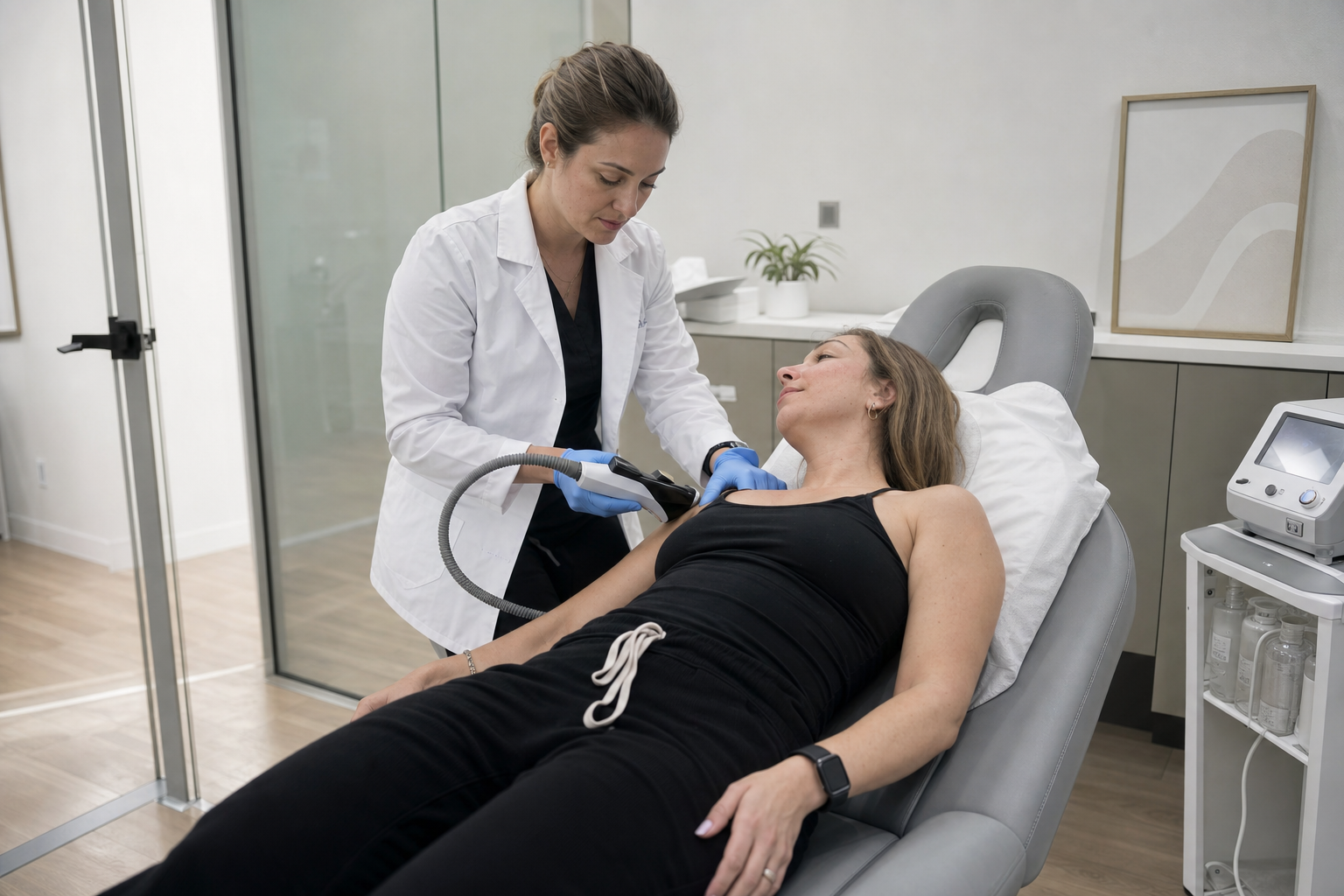
The strongest evidence supports collagen-stimulating and resurfacing treatments, especially while stretch marks are still red or pink. Timing matters — early stretch marks are far more treatable than old white ones.
Laser and energy-based devices, including radiofrequency microneedling, can improve the colour and texture of stretch marks over several sessions by rebuilding collagen and elastin in the affected dermis. For body areas, some cases are also discussed within our body treatment options. A consistent topical routine with retinoids and targeted actives can support results, particularly on newer marks.
How many treatments will I need?
Most scar and stretch mark protocols require a series — typically 3 to 6 sessions spaced several weeks apart — because collagen remodelling happens gradually. A single treatment rarely delivers the final result.
You'll usually see continued improvement for several months after your last session as the skin keeps rebuilding. Maintenance may be recommended depending on your skin and goals.
Does at-home skincare actually help?
Yes, as a supporting player — the right products can improve early scars and red stretch marks and help maintain in-clinic results, but they can't do the job of a device on their own. Consistency and sun protection matter enormously.
Retinoids, vitamin C, silicone-based scar products, and daily broad-spectrum sunscreen all have a role. Sun exposure darkens scars and stretch marks and slows healing, so daily SPF is non-negotiable. Our team can recommend medical-grade products suited to your skin.
When should I start treatment for the best results?
Earlier is better. Scars and stretch marks that are still pink or red are more responsive than mature, white, or raised ones — but improvement is still possible at any stage.
If you have a scar that's very new (from recent surgery or injury), always clear treatment timing with the professional who is overseeing your healing first. When you're ready, the most useful next step is an in-person assessment so we can look at your skin in person and build a realistic plan. You can book a consultation with our team to discuss your options.
The KatiFACE approach
At our Yorkville clinic, we believe in being straight with you. We'd rather set honest expectations and deliver a result you're genuinely pleased with than promise perfection we can't deliver. Scars and stretch marks tell a story — our goal is simply to soften that story so you feel comfortable in your skin.
Frequently asked questions
Can stretch marks be removed completely?
No treatment reliably removes stretch marks entirely. However, colour, texture, and visibility can be meaningfully improved with collagen-stimulating and resurfacing treatments, especially while stretch marks are still red or pink. Results vary by individual.
Are old white stretch marks treatable?
They're harder to treat than fresh red or pink ones, but improvement is still possible with a series of resurfacing or radiofrequency microneedling sessions. Expectations should be realistic — subtle improvement rather than removal.
What is the best treatment for acne scars?
For textural acne scars like rolling and boxcar scars, collagen-stimulating resurfacing such as microneedling, radiofrequency microneedling, or laser resurfacing tends to work best. The right choice depends on your scar type and skin, which is assessed at consultation.
How long until I see results?
Because treatments work by rebuilding collagen over time, most people notice gradual improvement over a series of 3 to 6 sessions, with continued change for several months afterward.
Is scar and stretch mark treatment painful?
Comfort varies by treatment. Numbing cream and other measures are used to keep sessions tolerable. Your provider will explain what to expect for the specific treatment recommended for you.
Considering treatment? Kati offers thoughtful, personalized consultations in Yorkville.
Reserve Your Consultation